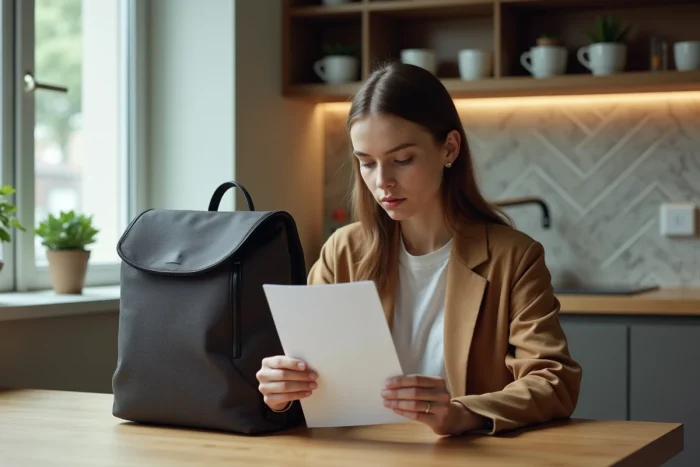
Errors in engraving on the metal plate, an irregular seam on the handle, or a QR code that leads to an inactive page: these details are enough to invalidate a certificate of authenticity. The increase in online sales has made detecting counterfeits more complex, even for the most common models.
Some counterfeits include fake printed warranties, imitating even the smallest official stamp. Verification is no longer limited to the simple logo or packaging but relies on a series of precise checks, sometimes overlooked by hurried buyers.
Why Longchamp and Michael Kors bags are particularly targeted by counterfeiting
The global market for luxury brands has never ceased to attract counterfeiters. The most iconic bags crystallize this appetite: objects of desire, witnesses of a certain social status, they have become the preferred target of counterfeiting networks. The copies, often assembled in Hong Kong, flood online platforms and parallel circuits, sowing confusion among seasoned buyers as well as less experienced profiles.
Counterfeiting no longer settles for a pale imitation. Underground workshops refine their processes, focusing on reproducing every visible and tactile detail: leather color, quality of stitching, appearance of closures. Fake certificates of authenticity and warranties are flourishing, further blurring the lines. In the face of this wave, the DGCCRF is increasing inspections and information campaigns, providing tools to help consumers detect fakes.
Checking a certificate of authenticity for a Cabaia bag is no longer reserved for picky collectors: it has become an essential step in the purchase. Specialized resources explain how to uncover fake items by analyzing labels, verifying the identification code, or inspecting the quality of materials and finishes. The most informed rely on these tips to avoid pitfalls and limit the spread of illegal copies.
Prudence remains necessary. French authorities are strengthening their measures, stores are increasing information for customers, and social media is disseminating alerts in real-time. Counterfeiting, now globalized, forces brands and buyers to be more vigilant. The stakes are not just financial: they touch on trust, brand image, and consumer respect.
What signs can distinguish an authentic bag from an imitation
With the proliferation of counterfeits, examining a bag requires heightened attention. Today, a few serious authenticity criteria help make the difference. First step: the material used. An authentic model generally uses cowhide leather or suede: soft touch, subtle smell, patina that reveals itself over time. Copies opt for sheep leather or rigid plastic, sometimes too shiny, and whose artificial smell betrays the manufacturing.
Here are the elements that should attract attention when analyzing a bag:
- Finishes: An authentic bag features regular, neat stitching, with no loose threads or missed stitches. The zippers glide smoothly, the metal resists scratches, and the logo is displayed or embroidered with impeccable clarity.
- Inner label and identification code: Each original comes with a carefully crafted inner label, with precise printing. The unique identification code guarantees traceability. An absent or generic code is often synonymous with counterfeiting.
- Logo: The sharpness and perfect alignment of the logo are determining factors. A poorly centered, blurry, or poorly printed logo should raise caution.
Copies often reveal clumsy labels, sloppy stitching, or a strong solvent smell. A material that is too smooth or shiny, the absence of a unique code, or a careless finish: all signals to take seriously to avoid a nasty surprise.
Essential tips for buying with confidence and avoiding pitfalls
To limit risks, it is preferable to favor authorized resellers and recognized stores. These establishments are required to offer clear traceability and comply with brand requirements. A genuine Cabaia bag is always accompanied by a certificate of authenticity provided at purchase, along with a long-term warranty: lifetime warranty or 30 years, covering a whole range of manufacturing defects, including buckles, stitching, pockets, and zippers.
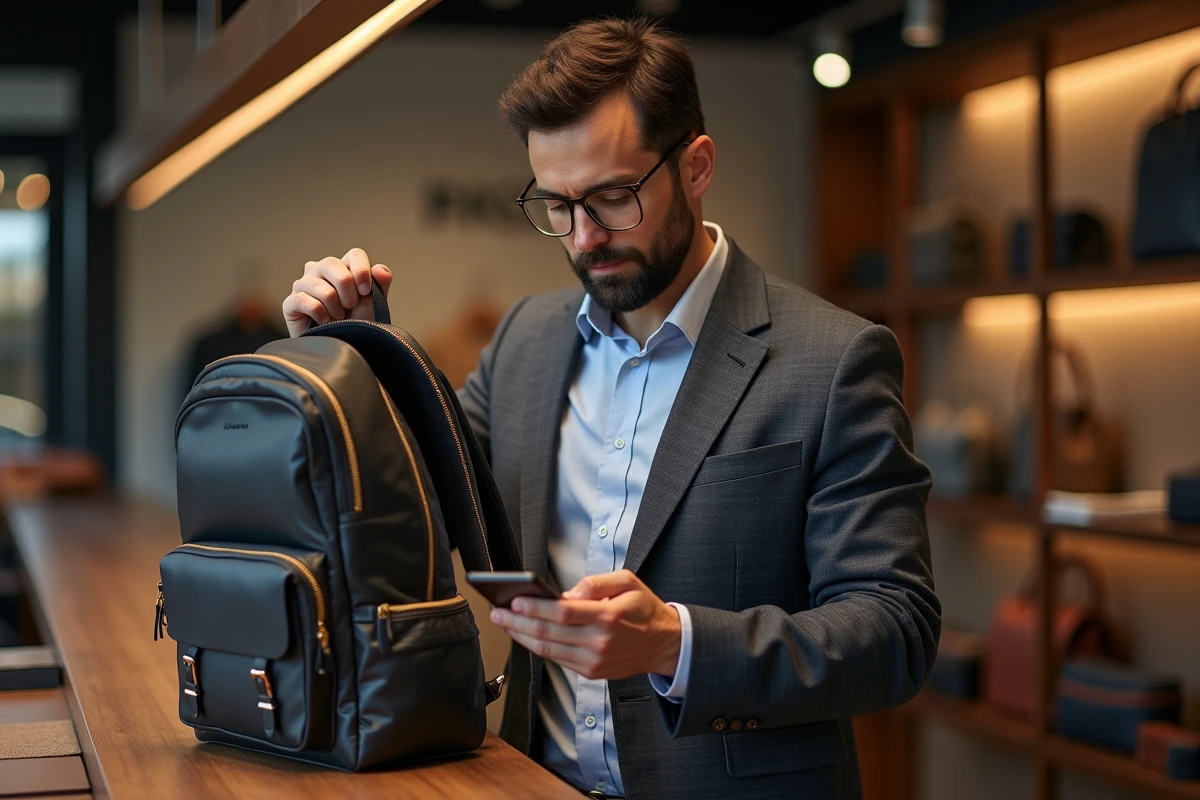
Before finalizing the purchase, check that the identification code is present on the item and always request a named receipt. In large cities like Paris, some authentication services use cutting-edge technologies: Entrupy, for example, relies on artificial intelligence to examine the grain of the leather, the quality of the stitching, or the printing of the inner label. The analysis is then compared to a vast database of images of original products, enhancing the reliability of the result.
Various advantages arise from purchasing at a French store:
- Click and collect, free returns, and free delivery under certain conditions are offered at many points of sale.
- The DGCCRF can be contacted in case of doubt or fraud: this institution plays an active role in the fight against counterfeiting and assists buyers during reports.
One thing is certain: transparency. A reliable seller willingly presents the origin of the bag and details the warranty. Certified online reviews are valuable for spotting trustworthy brands. At every stage of the process, from choosing the store, verifying the certificate, to examining the product, vigilance is essential. A reflex that, in the long run, protects both passion and investment.
In the mirror of a shop window, each bag tells a story. But only the one that withstands the test of time truly deserves to be believed.