The 2026 season of motorsport is reshuffling the deck at a rare speed. Between calendars disrupted by geopolitics, technical regulations that change the design of single-seaters, and title battles decided by just a few points, recent weeks have offered an uncommon density of events. Here are the news threads that deserve your attention.
Cancellation of the Saudi Arabia Rally and its consequences for the WRC title
The Saudi Arabia Rally will not count towards the WRC World Championship. Regional uncertainty and logistical constraints have led to its withdrawal from the calendar, following the cancellations of the Bahrain and Jeddah events that occurred in April, linked to the conflict in the Middle East.
This withdrawal elevates the Sardinia Rally to the status of season finale. The drivers’ title is contested among three Toyota teammates, an unusual configuration that turns team management into a strategic puzzle. When three drivers from the same team can compete for the crown, internal instructions become as hot a topic as the stopwatch.
For enthusiasts who want to follow all these developments, it’s possible to learn more about Motorsports and find analyses and results throughout the season.
Formula 1 in Sepang: the return of the Malaysian Grand Prix
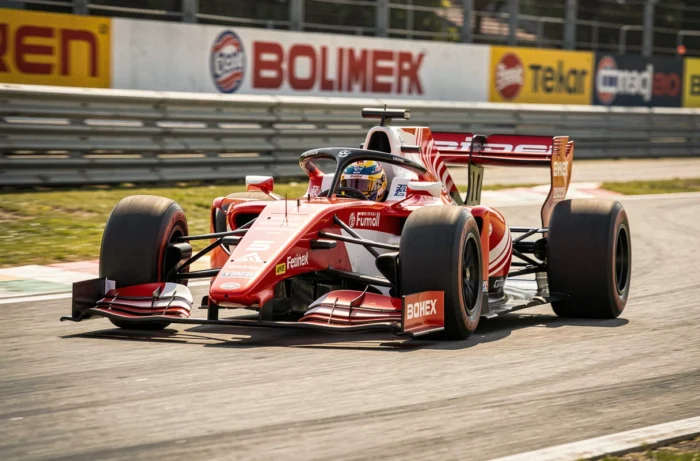
Do you remember the Sepang circuit? Formula 1 is returning there for the first time since 2017. The GP originally scheduled in Bahrain has been moved to Malaysia, again due to the geopolitical context in the Middle East.
This return is not just a simple change of location on the calendar. Sepang imposes very different weather conditions from Sakhir: high humidity, risk of tropical showers during the race, track temperatures that alter tire degradation. Teams that had prepared their setups for the Bahrain desert must revise their simulations.
For drivers, the Malaysian track offers a physically more demanding layout, with fast corners linked together and a long straight. Teams with good aerodynamic efficiency in a straight line without sacrificing downforce in corners will have an advantage.
F1 Regulations 2027: shorter races and freed gearboxes
The F1 Commission has approved two major changes for 2027. The first concerns the race distance reduced from 305 to 290 kilometers, which is about two or three laps less per Grand Prix. This reduction is linked to the new power units and the evolution of fuel flow.
Why shorten the races? The explanation lies in the next-generation hybrid engines. With a modified fuel flow, the single-seaters will consume differently. Reducing the distance allows for adjusting the amount of energy carried without weighing down the cars.
Another notable point: the overall limit of three hours for a Grand Prix would be removed, but a limit of two hours of effective racing time would remain in place. In practical terms, interruptions (red flags, extended safety car) would no longer chip away at a global ceiling, preventing truncated race finishes.
Removal of gearbox homologation
The second approved change affects transmissions. Gearbox homologation will be removed in 2027, a decision made after consulting manufacturers and the sporting advisory committee. The goal is to preserve the freedom of development for suppliers.
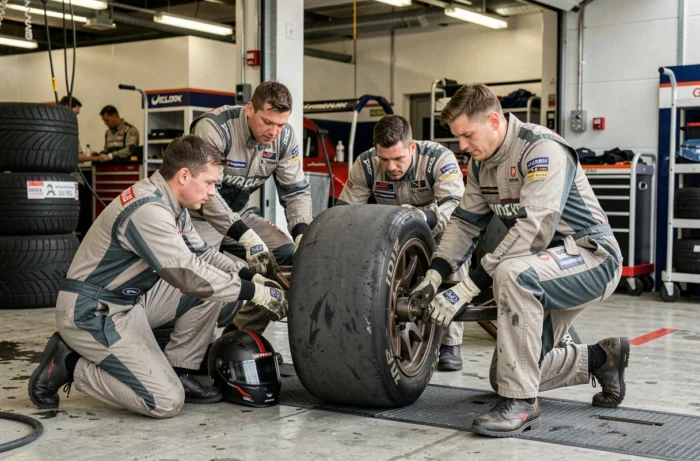
In simple terms, teams will be able to evolve their gearboxes during the season instead of freezing their design before the first Grand Prix. This opens the door to performance gains mid-season, a lever that the financially better-off teams will exploit first.
Ford returns to WRC and movements among manufacturers
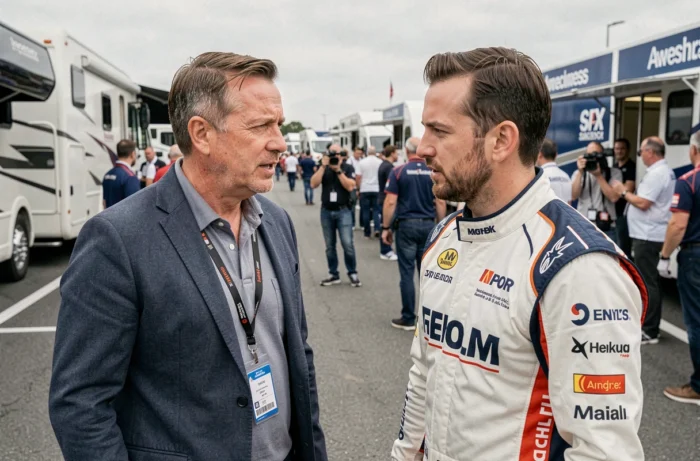
Ford has announced the return of a factory team to the World Rally Championship by 2028. After several years of presence through private or semi-official teams, the American brand is reinvesting directly in competition.
This return is part of a broader trend. Manufacturers are returning to motorsport as a technological showcase, particularly for their hybrid and electric powertrains. The WRC, with its format of events on open roads, offers a different visibility than closed circuits.
- Toyota currently dominates the WRC with three drivers in contention for the title, showcasing the depth of its commitment
- Ford aims for 2028 for its official return, allowing time to develop a car compliant with the current regulations
These movements outline a landscape where the number of manufacturers involved in motorsport is increasing, after a decade of successive withdrawals. Competition between brands is no longer just played on the track, but also in regulatory negotiations with the FIA.
What these developments mean for fans
The accumulation of changes in the calendar, regulations, and manufacturer strategy creates a season that is difficult to follow without reference points. A few keys to understanding help to navigate through it.
Shifts in Grands Prix related to geopolitics are no longer exceptions. The sports calendar now depends as much on diplomacy as on logistics. Keeping up with news of cancellations and replacements becomes as useful as checking the standings.
The 2027 regulations in F1 will change how races unfold. Reduced distances mean recalibrated tire strategies and energy management. Fans accustomed to counting laps to anticipate pit stops will need to adjust their calculations.
The WRC title in 2026 in Sardinia and the return of F1 to Sepang offer two must-see events in the coming weeks. Both events concentrate sporting stakes amplified by exceptional circumstances, making them more unpredictable than usual.