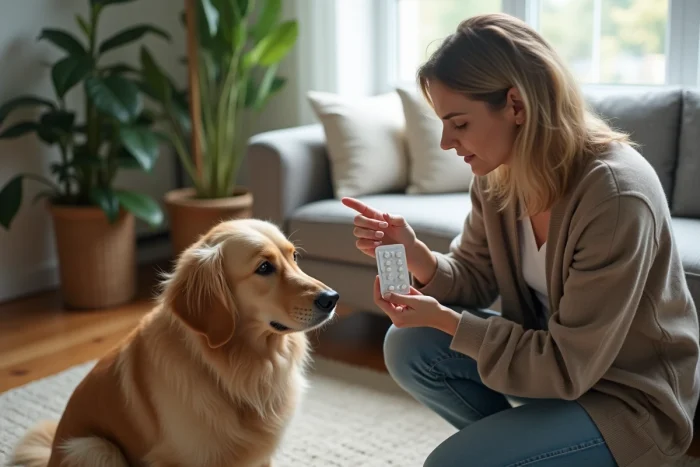
Numbers ignore emotions, but not anxious owners: every year, hundreds of dogs receive Spasfon, a medication reserved for humans, for a stomach crisis. Without authorization or true veterinary consensus, this habit raises more questions than it answers.
In France, phloroglucinol, the active ingredient in Spasfon, has no official recognition for animals. Yet, during digestive troubles, some owners take the plunge and choose to give this pink tablet to their dog, sometimes after a veterinary consultation, sometimes not. But behind this reflex, uncertainty prevails.
Self-medication, uncontrolled effects, and incomplete data: many professionals are sounding the alarm. The consequences of approximate use are real, especially since the efficacy and safety of Spasfon in dogs have never been the subject of robust studies.
Spasfon for dogs: how does it work, and what do veterinarians say?
In a household, seeing the name “Spasfon” on a box inspires confidence. But as soon as it is addressed to a four-legged companion, the context changes. the use of Spasfon in dogs remains isolated, never officially regulated. Phloroglucinol targets the smooth muscles of the digestive tract to soothe spasms, period. In animals, there are no anti-inflammatory properties: Spasfon only acts against pain related to occasional digestive contractions.
No validation from French veterinary authorities. The medication escapes the recommendations of poison control centers and specialized agencies. Side effects do exist: nausea, vomiting, or unexpected gastrointestinal disturbances, sometimes severe. If a strange reaction occurs, vigilance must be immediate, and contacting the veterinarian becomes imperative.
Prescribing a medication designed for humans to a dog always involves careful consideration. Used on a case-by-case basis by a few veterinarians, Spasfon remains an exceptional recourse, subject to medical supervision. It is out of the question to normalize it for managing stomach aches. Without regulatory recognition, each dose engages the caregiver’s responsibility.
Anti-inflammatory or simple antispasmodic? Sorting out the real effects
With every canine digestive crisis, the debate resurfaces: therapeutic asset or limited strategy? Spasfon has never been validated as an anti-inflammatory in animals. Its only function: to relax the intestinal musculature and calm transient spasms. For inflammation, it changes nothing, unlike a targeted veterinary treatment for this type of problem.
The medication is sometimes used, under prescription, for mild colic or pain related to intestinal excitement. But it resolves nothing if the source of discomfort is inflammatory: in these situations, other medications are necessary.
To administer this type of treatment, veterinarians rely on these main criteria:
- The choice between oral and injection, possible only under strict veterinary supervision.
- The adjustment of the dose depends on the size, age, and profile of each dog; there is no universal quantity.
Given the absence of marketing authorization and reliable studies, Spasfon requires constant vigilance. No improvisation is allowed; every unusual sign must lead to rigorous veterinary follow-up.
Risks, alternatives, and actions to take when a dog has a stomach ache
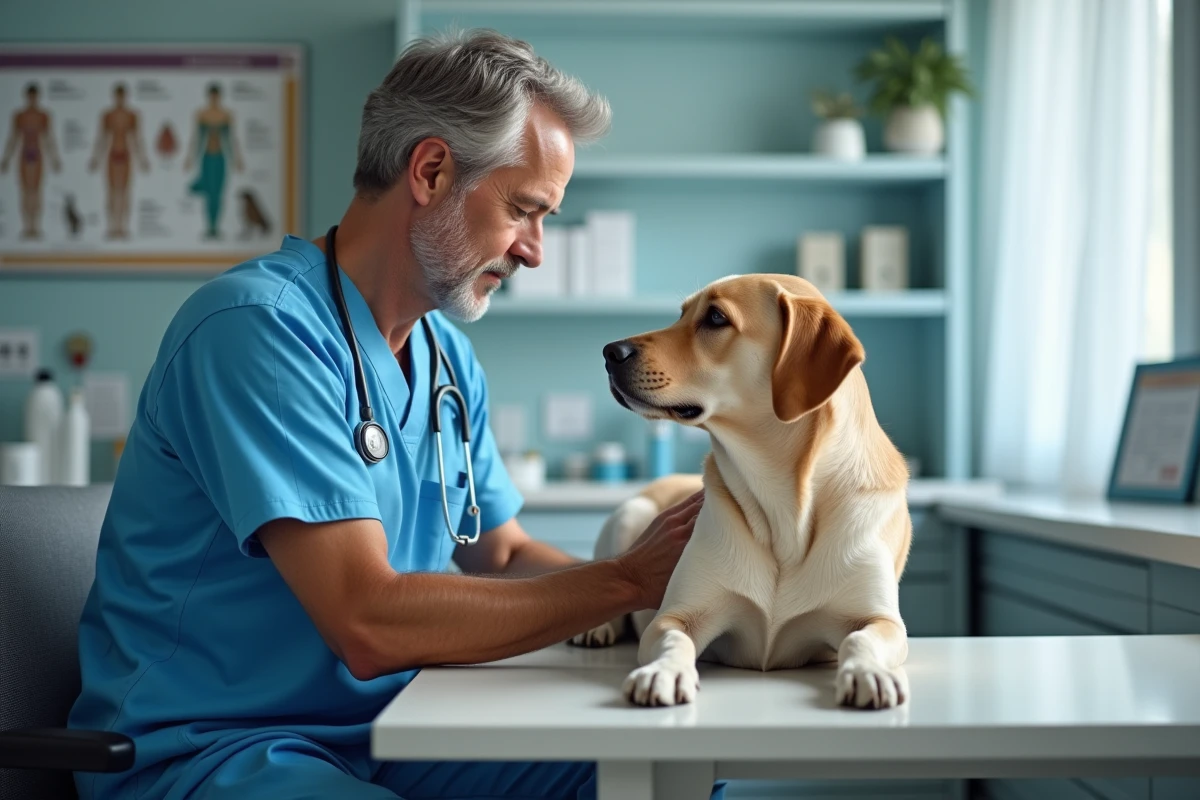
A canine abdominal pain triggers a comprehensible reflex: to try the human medication lying around the house. However, the use of Spasfon has never received veterinary approval. Used without oversight, it can worsen the situation: digestive disturbances, allergic reactions, or worsening of the dog’s overall condition have already been reported to the poison control center in Lyon.
Signs of marked fatigue, vomiting, abnormal stools, intensified pain: as soon as these symptoms appear, head to the veterinarian. Only they can make an accurate diagnosis and adjust the care. Lifestyle and diet also play a role; too many fatty treats or unsuitable foods can trigger lasting intestinal disorders.
Act quickly: concrete actions and validated alternatives
While waiting for the professional’s expertise, a few reflexes can help limit complications:
- Ensure that the dog drinks regularly to avoid dehydration.
- Never attempt treatment without the veterinarian’s advice, as it may worsen the condition.
- Sometimes pausing food for a few hours can help, according to the advice received.
- In the face of persistent disturbances, consider, on medical advice, other avenues: adapting food, natural solutions validated by the veterinarian, controlling stress, and the living environment.
Building good canine digestive health relies on appropriate meals, controlled intakes, and attention to unusual changes in behavior. Natural approaches, sometimes praised on the internet, always require scientific validation and the support of a veterinarian before being proposed to the animal.
Caring for a dog is not something to be cobbled together between intuition and recklessness. Stomach aches require real listening and consulting a veterinarian: this is the only serious path, and the condition for peaceful walks, with the nose to the wind.