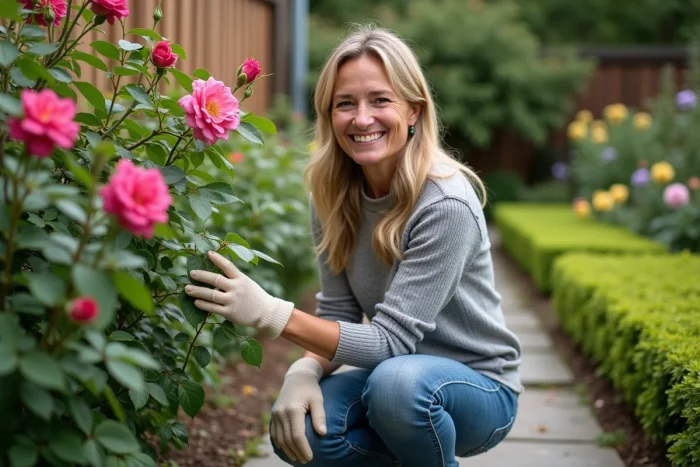
Most urban soils have a compaction rate higher than that recommended for ornamental cultivation, which limits root growth and water retention. However, there are proven techniques to quickly improve soil structure, even in small spaces.
Contrary to popular belief, choosing plants suited to the local climate is not enough to ensure their longevity without precise management of watering and exposure. Several simple practices promote biodiversity and sustainability while optimizing the available space.
What are the specific challenges of creating a garden in the city?
Creating an urban garden is almost a challenge. Between the density of buildings, the scarcity of land, and soil fatigue, every square meter is hard-earned. Spaces shrink to a minimum, but creativity comes into play at every stage. It’s impossible to ignore the consequences of decades of foot traffic, construction, and compaction: the soil in the city is often exhausted, compacted, and unable to support any plant without assistance.
The shadow cast by buildings, the relentless traffic, the pollution that seeps in: the list of constraints grows. Exposure to wind, sometimes amplified between two facades, requires inventing shelters, playing with volumes and materials, and rethinking the garden layout down to the smallest details. On rooftops or balconies, evaporation accelerates, and watering demands cunning and precision.
Before transforming any corner, take the time to identify the key points:
- the nature of the soil, often clayey, silty, or marked by pollution traces
- sun exposure, rare or changing depending on the hour
- ease of access to water
- the presence or passage of urban animals
In light of these realities, integrating sustainable solutions is essential. Choosing local plants, collecting rainwater, limiting chemical inputs: every action counts towards creating a lasting space. To delve deeper into these issues, the advice from Conseil Jardin offers a wealth of ideas to optimize every square centimeter, balancing ecological requirements with urban constraints.
Urban France, with its varied climates and contrasting urban fabrics, invites a rethink of every gardener’s action. Here, even the smallest green square becomes a laboratory, refuge, and experimental space where constraints sharpen ingenuity.
10 practical tips for renovating and optimizing a small outdoor space
In the city, space is not wasted. To make the most of a balcony or courtyard, invest in modular garden furniture. Multi-functional furniture, capable of folding, providing storage, or interlocking, works wonders. A folding table, a bench that hides a storage box: each item finds its place without overwhelming the whole. These choices transform a tiny corner into a true garden lounge, welcoming and functional.
Wood brings warmth and structure. A few planks on the ground create a terrace, and a green privacy screen protects from prying eyes. To design your garden, think vertically as well: hang pots, install planters on walls, and multiply supports for climbing plants. This organization frees up the ground and allows greenery to climb, even when the ground area is limited.
The choice of plants should not be improvised. Favor hardy species, suited to exposure and urban drought. Grasses, herbs, and small potted shrubs withstand well and require little attention. They are reliable allies for those who want a lively garden without spending their weekends on it.
To structure the space, create several zones: a dining area, a relaxation space, and some light points to extend the evenings. A well-thought-out garden lounge, even if small, becomes the heart of outdoor life. The tips for renovating and decorating rely on attention to detail, bold choices, and adaptation to your desires as well as the spirit of the place.
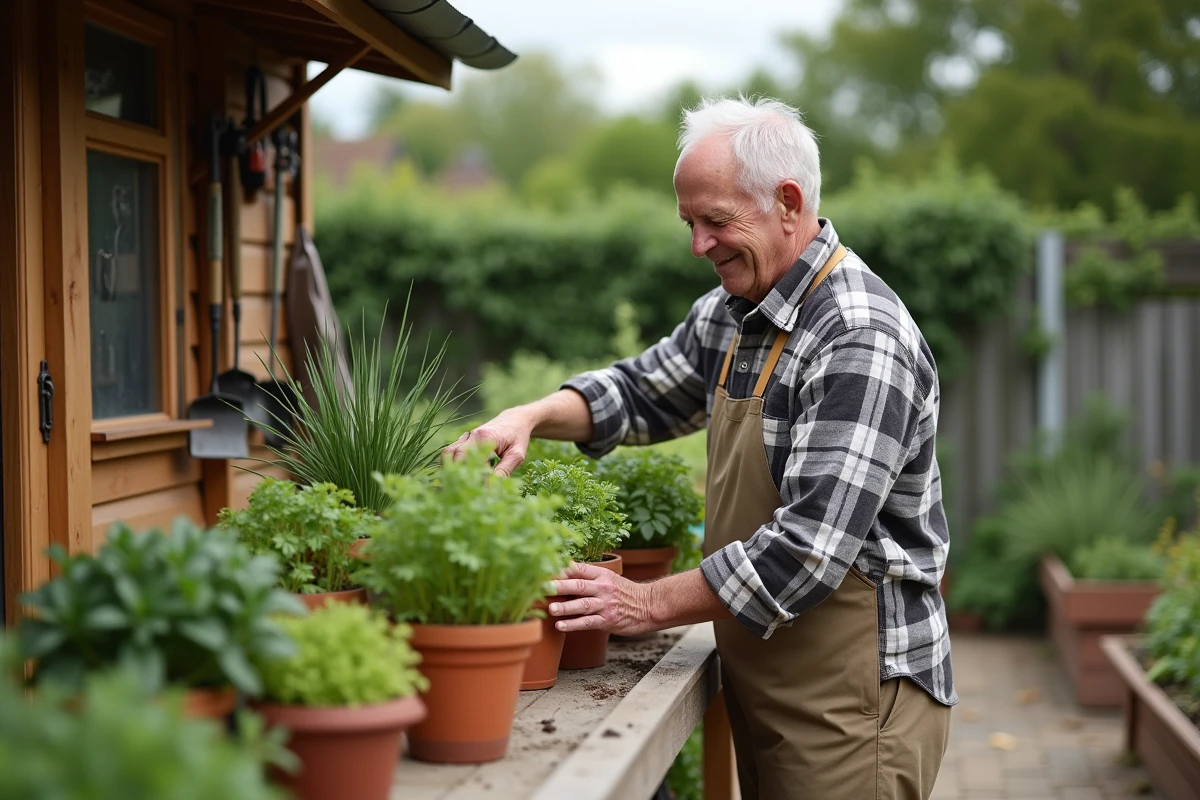
Simple maintenance practices for a sustainable and lively urban garden
Maintaining an urban garden raises the question: how to manage it without spending all your time? Even with poor soil and a modest area, a few regular actions are enough to keep your garden alive and pleasant, year after year.
To water effectively, target the base of the plants, preferably early in the morning or in the evening. This method limits evaporation and allows the roots to fully benefit from the water. Add organic mulch, such as bark, dead leaves, or well-rotted compost, which retains moisture, nourishes the soil, and slows the proliferation of weeds. This simple yet strategic action preserves the freshness of urban green spaces.
Focus on plant diversity. Combine perennials, annuals, and aromatic plants. This mosaic attracts pollinators and beneficial animals, creating a natural balance that limits the need for chemical treatments. A few shelters, like a woodpile or an insect hotel, are enough to establish this welcome biodiversity.
Here are some practices to adopt to keep the soil alive and the plants healthy:
- Consider aerating the soil with a claw, then enrich it with organic matter.
- Prune regularly to stimulate growth, remove dead wood, and control the most vigorous plants.
- Stay attentive: if leaves turn yellow or a plant stagnates, adjust your care or try new species that are better suited to urban conditions.
For the maintenance of your garden, consistency makes the difference. Ten minutes a week is often enough to transform an ordinary space into a resilient nature corner, both a refuge and a breath of fresh air in the heart of the city.
When concrete prevails, every green patch tells the story of a quiet victory. With patience and the right actions, the urban garden reveals its full potential; where others see only a piece of terrace, you shape a living and inspiring oasis.