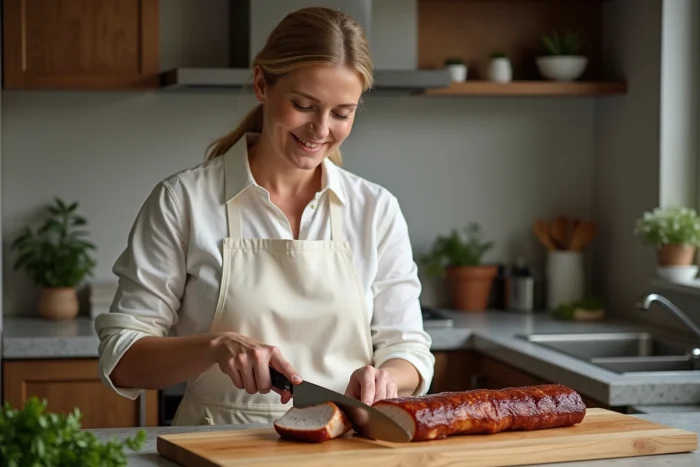
Low-temperature cooking limits juice loss and preserves the tenderness of muscle fibers, unlike traditional methods. However, overly gentle heat can sometimes lead to unexpected, even rubbery textures if time or temperature deviates from precise recommendations.
Variations of just a few degrees can radically alter the final result. This technique, long reserved for professionals, is now establishing itself as a reliable alternative to ensure perfectly cooked cuts, provided that precise steps and rigorous controls are followed.
Why low-temperature cooking changes everything for pork tenderloin
Forget about dry Sunday meats. With low-temperature cooking, the tenderloin finally reveals its full potential. Slowness and precision are the pillars of this method: gentle heat gradually penetrates the flesh, preserves the juice, and keeps the fibers relaxed. It’s nothing like the thermal shocks of high heat that damage and dry out.
A cooking thermometer is not a luxury here, but a necessity. Aim for a core temperature between 60°C and 65°C: this is the range that changes everything for texture, from well-defined tenderness to a still-pink consistency. This mastery, once the domain of chefs, is now making its way into home kitchens. You just need to rely on precision, not chance.
To grasp all the steps for a success without any gray areas, the low-temperature tenderloin guide details every action, from choosing the cut to managing the temperature rise, including seasoning without excess.
Here’s what this slow cooking offers in everyday life:
- Tender meat even when reheated
- Total preservation of the initial flavor
- Uniform cooking from the center to the surface
Other meats (veal, lamb, beef) also lend themselves to this technique. But for pork tenderloin, it breaks the vicious cycle of often forgotten and too-dry roasts, allowing for a rediscovered flavor.
What are the secrets to tender and juicy meat every time?
A tender meat is primarily a matter of attention. It all starts at the butcher: choose a tenderloin from an animal raised with care. Then, season intelligently: a drizzle of olive oil, a few pinches of herbs de Provence, some thyme or rosemary are enough to enhance the sweetness of the pork without masking its personality.
But the key is the core temperature. With the cooking thermometer, you can precisely target the desired texture. Below 60°C: the meat remains firm. Above 65°C: it loses its juice and charm. The sweet spot lies between the two, with gentle heat caressing each fiber.
To add depth, a quick sear in a pan with a drizzle of oil or butter locks in the juices. Once browned, it’s time for slow cooking (gentle oven, water bath, or sous vide). This combination of crust and tender interior makes all the difference.
Some practical recommendations can make a difference:
- Use sous vide bags for a homogeneous and delicious texture from the center to the edges.
- Favor fresh herbs, and do not slice the meat immediately after taking it out of the oven: let it rest for a moment.
- Never use a fork to turn or pierce the tenderloin: a simple pressure would let the precious juice escape.
With these attentions, the tenderloin transforms into a true tasting experience. It goes from a simple family dish to a moment that leaves a lasting impression.
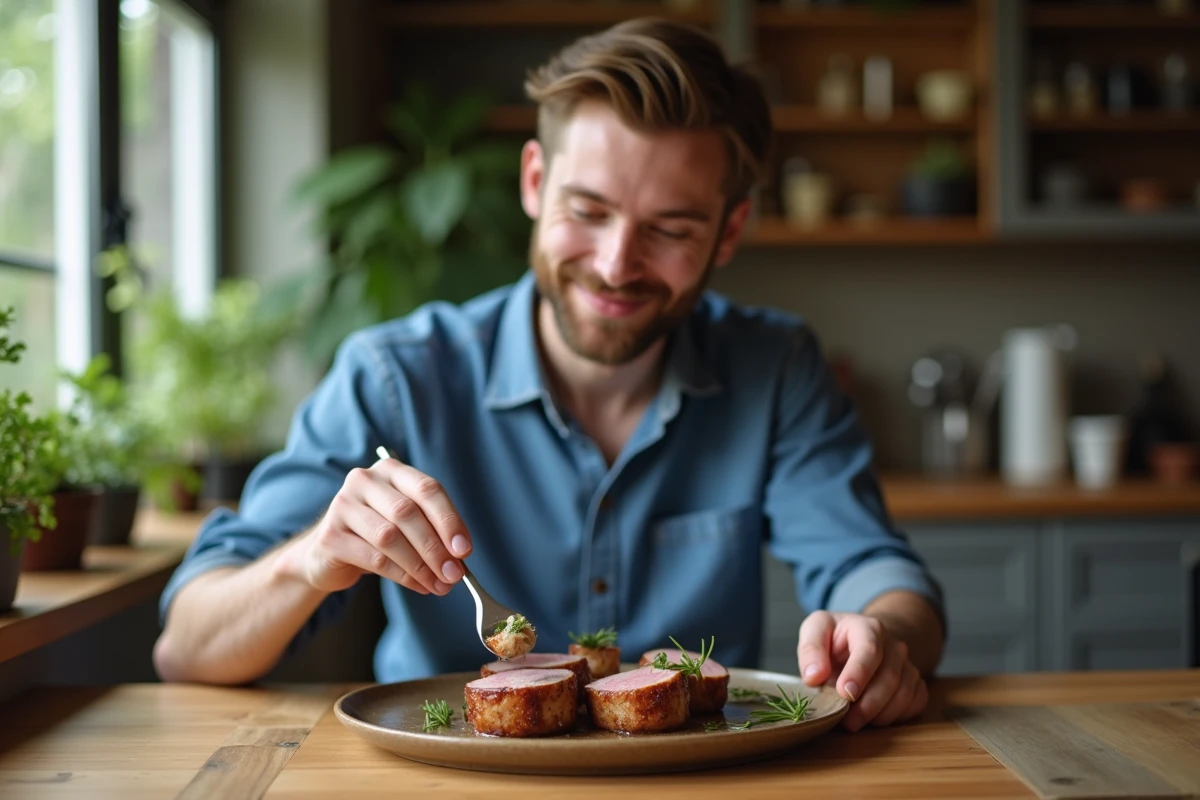
Practical tips and tricks to master low-temperature cooking at home
Making the most of low-temperature cooking requires rigor, but not necessarily chef-level equipment. Using a cooking thermometer is already enough to achieve impressive results. Keep in mind: 60 to 65°C at the core, long cooking, gentle heat… and the meat remains irresistibly tender, even when reheated.
The sous vide option is becoming more common in households. In practice: season the tenderloin (herbs, pepper, a hint of mustard), wrap it in a sous vide bag, and immerse it in a controlled water bath. This method offers perfect control over cooking, with no surprises between the center and the crust.
Take the time to rest just after cooking. The juices balance, the fibers relax, the cut is clean, and the plate gains in flavor. To go further, improvise a homemade sauce, combining mustard, tomato paste, white wine, cream, and butter: the basics of a garnish worthy of fine dining.
To accompany this dish, follow the seasonal inspiration: roasted vegetables, potatoes, indulgent mash… For a more festive menu, dare to serve the tenderloin in a crust of mushrooms, or with a red wine or green pepper sauce. What truly makes the difference is the cooking: a mastery that elevates the meal from ordinary to remarkable.
Once placed on the board, the tenderloin offers even slices, the discreet steam hints at the aromas, and each guest savors the moment. Mastering low-temperature cooking of pork tenderloin guarantees both generosity and precision; and after tasting it, it’s hard to go back.