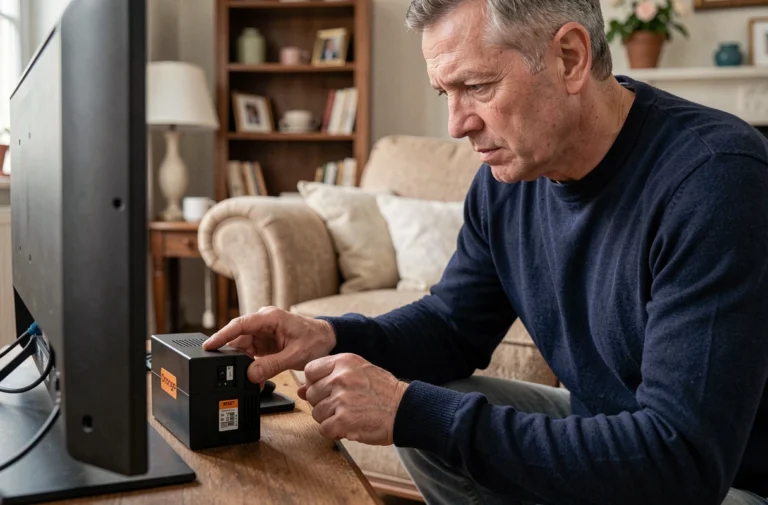
The energy performance of a home relies on the interaction between three components: the building envelope (walls, roof, windows), the heating or cooling production equipment, and the control system that coordinates them. Acting on just one of these levers without considering the other two generates unnecessary expenses and disappointing results. Understanding this interdependence is the starting point for effective energy optimization.
Thermal insulation: the aspect that energy renovation most often overlooks
Replacing a boiler or installing a heat pump in a poorly insulated home is like heating a sieve. The building envelope conditions everything else: without it, no efficient equipment can compensate for heat losses through the walls, roof, or windows.
The most common mistake is treating insulation work as an optional add-on. In reality, insulation must precede the choice of heating system. A properly insulated home requires less heating power, allowing for the sizing of smaller and less costly equipment to operate.
Another common trap is partial insulation. Treating the attic without addressing the walls creates thermal bridges at the junctions. Heat then escapes through these untreated areas, and the actual gain remains far below expectations. To assess the priorities suited to your situation, you can consult the solutions from maisonfjord.fr on Parlons Déco that detail the steps to follow based on the type of housing.
The choice of insulation materials also matters. An insulator with thermal resistance unsuitable for the home’s climate zone will produce insufficient comfort in winter and overheating in summer. Checking the minimum recommended thermal resistance for each wall (wall, roof, floor) before starting work avoids this type of disappointment.

Heating control and regulation: beyond the classic thermostat
Lowering the temperature by one degree is advice repeated everywhere, but it says nothing about the actual operation of a regulation system. Heating control is a technical subject in its own right, and regulations are pushing in this direction.
The decree of June 7, 2023, regarding automatic temperature regulation systems in buildings marks a turning point. It gradually imposes devices capable of adapting the temperature room by room, depending on occupancy and solar gains. This goes far beyond the simple ambient thermostat placed in the hallway.
Adjustment and positioning errors
A thermostat placed near a heat source (oven, south-facing bay window) skews the measurement and causes inconsistent heating cycles. The system cuts off too early or too late, leading to discomfort and overconsumption.
Programming specific time slots rather than a fixed temperature allows consumption to be adjusted to the actual rhythms of the household. Completely turning off the heating during prolonged absences seems logical, but restarting a cooled home consumes more than maintaining a reduced temperature.
- Place the thermostat in a living room, away from drafts and direct heat sources
- Program a reduced temperature at night and during absences rather than a complete shutdown
- Check compatibility between the thermostat and the heat generator (some heat pumps require specific regulation)
Maintenance of heating equipment: efficiency degrades without intervention
A boiler, wood stove, or heat pump loses efficiency if maintenance is neglected. A dirty appliance consumes more to produce the same amount of heat. The mandatory annual maintenance for boilers is not just a simple administrative formality.
For heat pumps, regular cleaning of the outdoor unit and filters keeps the performance coefficient at an acceptable level. Clogged filters force the compressor to work harder, increasing the electricity bill and reducing the lifespan of the device.
Simple actions between professional visits
Bleeding water radiators at the beginning of the heating season removes accumulated air that blocks fluid circulation. On an electric radiator, dust deposited on the fins reduces heat diffusion and can cause burnt smells upon restart.
These interventions do not replace a professional check-up, but they prevent efficiency from degrading between two annual maintenance visits.

Financial aid and regulatory calendar for energy renovation
Since the Climate and Resilience Law of August 22, 2021, the regulatory framework is gradually tightening. The installation of gas heating in new constructions is more strictly regulated, and the most energy-intensive homes have been progressively banned from rental since 2023.
This evolution changes priorities. A landlord whose property has a very unfavorable energy performance diagnosis (EPD) can no longer postpone renovation work without risking being unable to rent.
- Check the current EPD class of the property to anticipate regulatory deadlines
- Inquire about available aids (MaPrimeRénov’, energy savings certificates) before signing a quote
- Prioritize work according to their actual impact: insulation first, then replacement of the heating system, then regulation
The order of the work is as important as its nature. Installing a high-performance heat pump in a home classified as an energy sieve will not significantly change the EPD class if the walls and roof are not addressed.
Energy renovation of a home is not a one-time gesture. It is a technical sequence where each step conditions the effectiveness of the next. Starting with the diagnosis, addressing the envelope, adapting the equipment, and then installing fine control remains the method that produces measurable results on both the bill and comfort.